In recent years, Pilates has gained a reputation as a miracle solution for rehabilitation, particularly among individuals suffering from spinal conditions such as scoliosis. Touted for its ability to improve core strength, flexibility, and posture, Pilates has become a go-to recommendation for those seeking relief from chronic back pain or spinal misalignment. However, while the benefits of Pilates are widely celebrated, the potential risks for people with scoliosis are often overlooked. This article delves into the complexities of Pilates as a rehabilitation tool and examines the hidden dangers it may pose for those with spinal curvature.
The Allure of Pilates for Scoliosis Patients
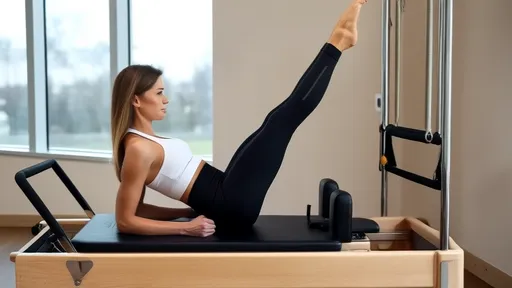
Pilates, developed by Joseph Pilates in the early 20th century, emphasizes controlled movements, breathwork, and alignment. For individuals with scoliosis, the promise of improved posture and reduced discomfort is undeniably appealing. Many physical therapists and trainers advocate for Pilates as a complementary therapy, citing its low-impact nature and focus on strengthening the muscles surrounding the spine. The exercises are designed to promote symmetry and balance, which are critical for those with uneven spinal curvature.
However, the generalized approach of many Pilates programs can be problematic. Scoliosis is a highly individualized condition, with variations in curvature severity, location, and progression. What works for one person may exacerbate symptoms for another. Without tailored modifications, certain Pilates movements—particularly those involving spinal rotation or excessive flexion—can place undue stress on the vertebrae, potentially worsening the condition over time.
The Hidden Risks of Unsupervised Practice
One of the most significant concerns for scoliosis patients practicing Pilates is the lack of specialized guidance. While Pilates instructors may be certified in general practice, few possess the expertise to address the unique needs of scoliotic spines. A misaligned movement or improperly executed exercise can lead to muscle imbalances, increased pain, or even accelerated curvature progression. For example, repetitive unilateral movements—common in Pilates routines—can overdevelop one side of the body while neglecting the other, further destabilizing an already asymmetrical spine.
Moreover, the emphasis on "neutral spine" in Pilates can be misleading for scoliosis patients. The concept assumes a symmetrical alignment that simply doesn’t exist for those with spinal curvature. Attempting to force the spine into a neutral position during exercises may strain supporting muscles and ligaments, leading to discomfort or injury. This is particularly dangerous for adolescents with progressive scoliosis, where improper exercise selection could interfere with bracing treatments or even necessitate surgical intervention.
The Importance of Individualized Programming
For Pilates to be truly beneficial for scoliosis patients, it must be adapted to their specific condition. This requires collaboration between a qualified Pilates instructor and a medical professional, such as a physiotherapist or orthopedic specialist. Assessments like X-rays or physical evaluations should inform exercise selection, ensuring that movements support—rather than contradict—the patient’s treatment plan. For instance, someone with a lumbar curve may need to avoid deep forward folds, while a thoracic curve might require modifications for rotational exercises.
Breathwork, a cornerstone of Pilates, also demands careful consideration. Scoliosis can restrict rib cage mobility, making certain breathing patterns challenging or even counterproductive. Instructors must be trained to recognize these limitations and adjust their cues accordingly. Without this level of personalization, Pilates risks becoming another well-intentioned but ineffective—or worse, harmful—intervention.
Conclusion: A Balanced Perspective
Pilates is neither a cure-all nor a one-size-fits-all solution for scoliosis. While it holds potential as part of a comprehensive rehabilitation plan, its benefits are contingent upon proper implementation. Patients must approach Pilates with caution, seeking out instructors with specialized training in spinal conditions. Likewise, the medical community should provide clearer guidelines on integrating Pilates into scoliosis management, emphasizing the need for customization over generic prescriptions.
Ultimately, the key lies in education—empowering patients to ask the right questions and professionals to deliver safe, evidence-based recommendations. Only then can Pilates truly serve as the rehabilitation tool it’s often claimed to be, rather than an overlooked source of risk for vulnerable populations.
By /Jun 19, 2025
By /Jun 19, 2025
By /Jun 19, 2025

By /Jun 19, 2025

By /Jun 19, 2025
By /Jun 19, 2025
By /Jun 19, 2025

By /Jun 19, 2025

By /Jun 19, 2025

By /Jun 19, 2025
By /Jun 19, 2025
By /Jun 19, 2025
By /Jun 19, 2025
By /Jun 19, 2025
By /Jun 19, 2025

By /Jun 19, 2025

By /Jun 19, 2025

By /Jun 19, 2025
