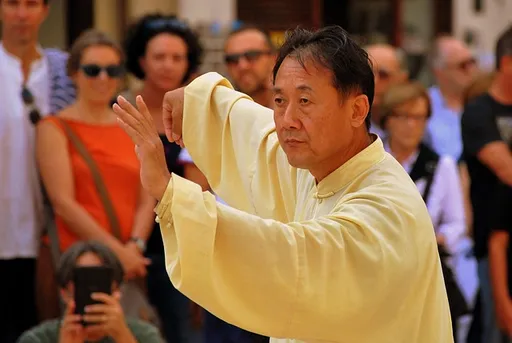
The ancient practice of Tai Chi, with its flowing movements and emphasis on balance, has long been celebrated for its health benefits. From reducing stress to improving cardiovascular health, it’s often touted as a gentle exercise suitable for all ages and fitness levels. But is Tai Chi truly for everyone? For individuals with knee degeneration or chronic joint issues, the answer isn’t as straightforward. While the practice can be adapted, certain movements may exacerbate pain or cause further damage if performed incorrectly. Understanding these nuances is crucial for anyone considering Tai Chi as part of their wellness routine.
The Allure of Tai Chi and Its Universal Appeal
Tai Chi’s slow, deliberate motions make it accessible to many who find high-impact exercises challenging. Its low-impact nature is particularly appealing to older adults or those recovering from injuries. The practice promotes flexibility, strengthens muscles, and enhances proprioception—the body’s ability to sense movement and position. For people with arthritis or mild joint discomfort, Tai Chi can even alleviate symptoms by improving circulation and reducing stiffness. However, the very elements that make it beneficial for some can pose risks for others, especially those with significant knee degeneration.
Why Knee Degeneration Demands Caution
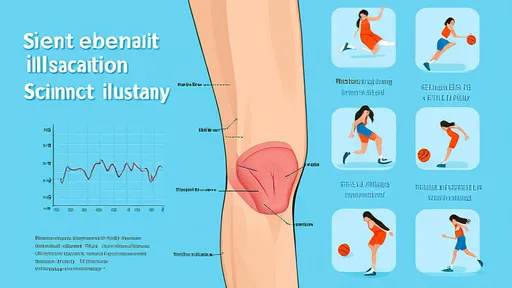
Knee degeneration, whether from osteoarthritis, previous injuries, or chronic overuse, weakens the joint’s structural integrity. The cartilage that cushions the bones deteriorates, leading to pain, swelling, and limited mobility. Tai Chi involves frequent weight shifts, deep stances, and rotational movements—all of which place stress on the knees. For someone with healthy joints, these actions build strength. But for those with compromised knees, they can accelerate wear and tear or trigger acute pain. A misaligned stance or excessive knee bending, for instance, may strain the joint beyond its capacity.
Common Tai Chi Movements That May Need Modification
Movements like "Single Whip" or "Brush Knee and Push" require bending the knees while shifting weight sideways or forward. These transitions can be problematic if the knee isn’t aligned over the toes or if the bend is too deep. Similarly, "Cloud Hands," a repetitive shifting motion, may irritate an already inflamed joint if performed without proper support. Even the foundational "Horse Stance," which strengthens the legs, can be harmful if held too long or too low. Recognizing these pitfalls is the first step toward adapting the practice safely.
Practical Adjustments for Practitioners With Knee Issues
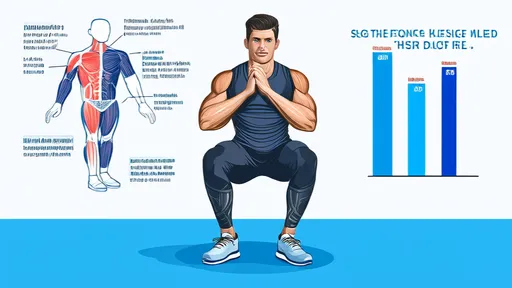
Fortunately, Tai Chi is highly modifiable. Raising the stance—reducing the depth of knee bends—can significantly decrease joint pressure. Using a chair for support during balancing poses allows participation without full weight-bearing. Avoiding excessive twisting or pivoting on the affected knee preserves stability. Instructors familiar with joint limitations can also recommend alternative forms, such as seated Tai Chi, which retains the meditative and upper-body benefits while minimizing lower-body strain. The key is to prioritize alignment and listen to the body’s signals.
The Role of Professional Guidance
Self-taught Tai Chi, especially for those with pre-existing conditions, risks improper technique. A qualified instructor can assess individual limitations and tailor movements accordingly. For example, they might emphasize upper-body gestures over lower-body motions or introduce isometric exercises to strengthen the muscles around the knee without dynamic stress. Physical therapists with Tai Chi expertise are invaluable resources, bridging the gap between rehabilitation and mindful movement.
When Tai Chi Might Not Be the Right Choice
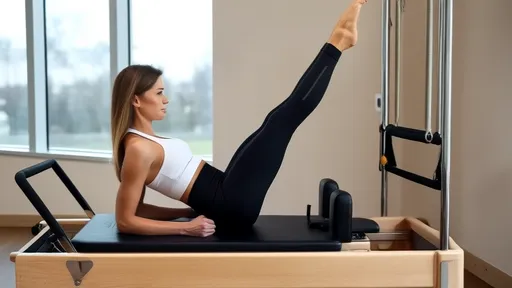
In advanced cases of knee degeneration, even modified Tai Chi may prove too strenuous. Sharp pain during movement, persistent swelling, or a feeling of joint instability are red flags. Water-based exercises or yoga with props might offer similar benefits without joint loading. Consulting a healthcare provider before starting Tai Chi ensures that the practice aligns with one’s medical reality rather than against it.
Tai Chi’s adaptability is its strength, but its suitability isn’t universal. For those with knee issues, mindful adjustments—or alternative practices—can make the difference between healing and harm. The journey toward wellness should never come at the expense of joint health.

By /Jun 19, 2025

By /Jun 19, 2025
By /Jun 19, 2025

By /Jun 19, 2025

By /Jun 19, 2025

By /Jun 19, 2025

By /Jun 19, 2025

By /Jun 19, 2025

By /Jun 19, 2025

By /Jun 19, 2025
By /Jun 19, 2025
By /Jun 19, 2025

By /Jun 19, 2025

By /Jun 19, 2025
By /Jun 19, 2025

By /Jun 19, 2025

By /Jun 19, 2025

By /Jun 19, 2025
