The world of sports medicine has long observed a curious phenomenon: female athletes seem disproportionately prone to certain types of injuries, particularly anterior cruciate ligament (ACL) tears. While differences in anatomy, training techniques, and sport-specific demands all play roles, researchers are increasingly focusing on a surprising biological factor – estrogen.
The Estrogen Paradox
At first glance, estrogen appears to be a protective hormone, promoting collagen production and maintaining joint health. Yet numerous studies show female athletes are 2-8 times more likely to suffer ACL injuries than their male counterparts, with injury rates peaking during specific phases of the menstrual cycle. This paradox has sent researchers down a fascinating path of discovery, uncovering estrogen's complex relationship with connective tissue.
Dr. Sandra Hunter, a leading researcher in sex differences in sports injuries, explains: "We used to think estrogen simply made ligaments more lax. The reality is far more nuanced. Estrogen receptors exist throughout the musculoskeletal system, influencing everything from collagen metabolism to neuromuscular control in ways we're just beginning to understand."
Cycle-Dependent Vulnerability
The menstrual cycle's hormonal fluctuations create windows of varying injury risk. During the ovulatory phase, when estrogen levels peak, studies show decreased stiffness in ligaments and altered muscle activation patterns. This biological reality doesn't mean women shouldn't exercise during these phases, but suggests tailored training approaches could be beneficial.
Professional soccer player Mia Thompson shares her experience: "After tracking my cycle for two seasons, I noticed a pattern – my worst injuries always happened around the same phase. Now I modify my training intensity during that week and focus more on proprioception exercises."
Beyond the ACL
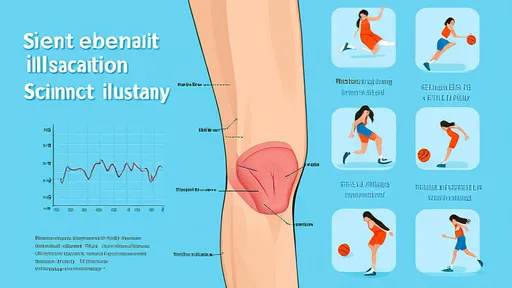
While ACL injuries garner the most attention, estrogen's influence extends to other common sports injuries in women. Rotator cuff tears, ankle sprains, and certain stress fractures also show hormonal correlations. Interestingly, oral contraceptive users demonstrate different injury patterns than naturally cycling athletes, offering clues for potential preventive strategies.
A New Era of Female-Specific Training
Forward-thinking coaches and sports medicine professionals are developing gender-specific training protocols. These programs account for hormonal fluctuations while emphasizing neuromuscular control, proper landing mechanics, and strength training optimized for female physiology.
As research continues, one thing becomes clear: understanding estrogen's role in sports injuries isn't about limiting female athletes, but about empowering them with knowledge to train smarter and compete safer in their sports.
By /Jun 19, 2025
By /Jun 19, 2025
By /Jun 19, 2025
By /Jun 19, 2025
By /Jun 19, 2025
By /Jun 19, 2025
By /Jun 19, 2025

By /Jun 19, 2025

By /Jun 19, 2025
By /Jun 19, 2025

By /Jun 19, 2025
By /Jun 19, 2025
By /Jun 19, 2025
By /Jun 19, 2025
By /Jun 19, 2025

By /Jun 19, 2025
By /Jun 19, 2025
By /Jun 19, 2025
