Jumping Rope 1000 Times = Running for 30 Minutes? Hidden Risks of High-Impact Exercises

Jun 19, 2025 By

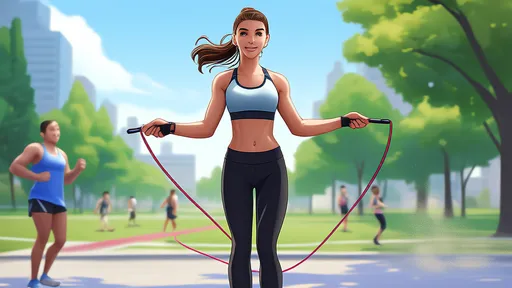
In recent years, high-intensity workouts like jump rope have gained immense popularity as time-efficient alternatives to traditional cardio exercises. The claim that "jumping rope 1000 times equals 30 minutes of running" has circulated widely on fitness platforms, enticing busy individuals seeking maximum results with minimal time investment. While there's truth to the calorie-burning potential of rope jumping, this oversimplified equation glosses over critical differences between these activities and masks the hidden risks of high-impact movement.


The metabolic comparison stems from studies showing that 10 minutes of vigorous jump rope can burn calories equivalent to 30 minutes of moderate-paced running. At first glance, this makes rope jumping appear superior—a classic "more bang for your buck" scenario. However, these numbers assume perfect form, consistent pace, and most importantly, a body biomechanically suited to withstand repetitive high-impact loading. In reality, the forces involved differ dramatically: while running generates ground reaction forces of 2-3 times body weight, jump rope impacts can reach 3-4 times body weight, concentrated primarily on the balls of the feet.


Podiatrists have observed a concerning rise in forefoot injuries among recreational jump rope enthusiasts, particularly those transitioning from sedentary lifestyles. Plantar fasciitis, metatarsal stress reactions, and Achilles tendonitis emerge as common overuse injuries when people attempt to suddenly replace running with high-repetition rope jumping. Unlike running's natural gait variations that distribute impact across different muscle groups, the repetitive ankle flexion and calf engagement in jump rope create localized strain patterns that many unconditioned individuals cannot tolerate at suggested volumes.


The joint stress equation changes significantly with surface selection. Concrete—the most accessible surface for urban exercisers—amplifies impact forces by 40-50% compared to wooden gym floors or rubberized track surfaces recommended for high-impact training. Runners naturally seek out softer terrain when possible, but jump rope practitioners often overlook surface considerations in home workout settings. This oversight contributes to the "silent trauma" phenomenon where microdamage accumulates without acute pain signals until injury manifests weeks into a routine.


Biomechanical differences in force absorption reveal another layer of complexity. Running utilizes a kinetic chain where impact dissipates through coordinated ankle, knee, and hip flexion. Jump rope, by contrast, requires relatively stiff ankles to maintain rebound efficiency, forcing the calves and foot arches to absorb most shock. This explains why even experienced runners often experience unexpected calf strains when taking up rope jumping at suggested "equivalent" volumes—their cardiovascular systems may be conditioned, but their musculoskeletal tissues lack specific adaptation.


Footwear presents another critical variable often ignored in the jump rope versus running debate. Proper running shoes incorporate heel cushioning and medial support to accommodate pronation, whereas optimal jump rope shoes prioritize lightweight flexibility and forefoot padding. Using running shoes for jump rope can inadvertently increase injury risk by creating unnatural pivot points, while barefoot jump rope—a growing trend—eliminates protective cushioning entirely. The footwear mismatch leads to compromised form and excessive ground contact time, multiplying impact stress.


Perhaps the most overlooked factor is neuromuscular control. Running at moderate paces allows for natural stride variations that distribute stress patterns, while jump rope demands precise, repetitive motor patterns. This consistency—often touted as an efficiency benefit—becomes a liability when fatigue sets in. Minor form breakdowns during running may simply reduce speed, but equivalent fatigue during jump rope leads to compensatory movements that magnify joint loading asymmetrically. The "just 100 more jumps" mentality pushes many practitioners into dangerous fatigue zones where injury likelihood spikes exponentially.


Age-related considerations further complicate the equivalence claim. While young athletes may adapt quickly to high-impact rope jumping, connective tissue elasticity declines noticeably after age 30. The collagen cross-linking that makes tendons and ligaments more brittle with age interacts poorly with the sudden acceleration-deceleration forces of jump rope. Many sports medicine specialists now recommend caping jump rope volume at 500 repetitions for adults over 40, regardless of fitness level—a far cry from the often-promoted 1000+ jumps benchmark.


For those committed to incorporating jump rope into their fitness regimen, progressive adaptation proves essential. Starting with just 2-3 minutes per session and gradually increasing volume over 8-12 weeks allows tendons and bones to adapt to impact stresses. Alternating jump rope days with low-impact cross-training activities like cycling or swimming helps prevent overuse injuries while maintaining cardiovascular benefits. Surface selection, proper footwear, and attention to form should take priority over hitting arbitrary repetition targets.


The allure of time-efficient workouts shouldn't eclipse fundamental biomechanical realities. While jump rope offers undeniable fitness benefits when approached sensibly, the "1000 jumps equals 30 minutes running" mantra oversimplifies complex physiological interactions. Smart training means respecting your body's current capabilities and allowing adequate adaptation time—whether you're jumping, running, or exploring any other fitness modality. The healthiest exercise routine isn't the one that burns calories fastest, but rather the one you can sustain consistently without injury.



Recommend Posts
Sports

Does Exercise Really Extend Lifespan? New Study: Excessive Exercise May Accelerate Aging

By /Jun 19, 2025

For decades, the mantra of "exercise more, live longer" has been deeply ingrained in public health messaging. Fitness enthusiasts proudly track their marathon times, while weekend warriors squeeze in HIIT sessions between work commitments. But emerging research is challenging this one-size-fits-all approach, revealing a surprising U-shaped relationship between physical activity and longevity – where both too little and too much may accelerate aging.
Sports

CrossFit Death Investigation: The Oxygen Crisis in High-Intensity Group Training

By /Jun 19, 2025

The fitness world was shaken last month when a 32-year-old CrossFit athlete collapsed during a grueling group workout session. Paramedics pronounced him dead at the scene despite immediate CPR attempts. This marks the seventh reported fatality linked to extreme conditioning programs in the past eighteen months, raising urgent questions about the safety protocols governing high-intensity functional training.
Sports

Are Women More Prone to Ligament Tears? The Hidden Link Between Estrogen and Sports Injuries

By /Jun 19, 2025

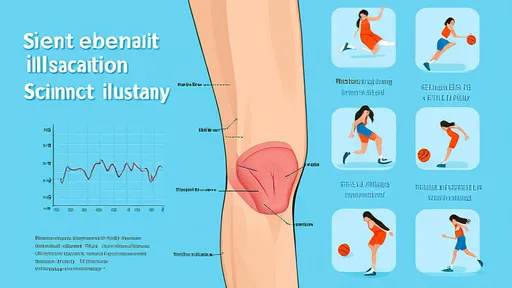
The world of sports medicine has long observed a curious phenomenon: female athletes seem disproportionately prone to certain types of injuries, particularly anterior cruciate ligament (ACL) tears. While differences in anatomy, training techniques, and sport-specific demands all play roles, researchers are increasingly focusing on a surprising biological factor – estrogen.
Sports

Running After 40: Does It Accelerate Joint Degeneration? A Safety Guide for Middle-Aged Exercise"

By /Jun 19, 2025

For decades, runners have debated whether pounding the pavement accelerates joint degeneration after 40. The fear persists that middle-aged knees and hips simply can’t withstand the repetitive impact of running. But emerging research and sports medicine specialists are challenging this assumption, revealing a more nuanced relationship between aging, exercise, and joint health.
Sports

Strength Training Boosts Memory? Unexpected Benefits of Resistance Exercise for the Brain

By /Jun 19, 2025

For decades, aerobic exercise has been celebrated as the gold standard for brain health, with countless studies extolling its benefits for memory and cognitive function. But emerging research is revealing a surprising contender in the cognitive fitness arena: resistance training. What was once viewed primarily as a tool for building muscle and bone density is now showing remarkable potential to enhance memory and protect against age-related cognitive decline.
Sports

Gym 'Heat Exhaustion' Chronicles: The Deadly Temperature Threshold for Summer Exercise"

By /Jun 19, 2025

The summer sun beats down mercilessly as gym-goers push their limits in sweltering conditions. What many don’t realize is that their dedication might be crossing into dangerous territory. Heat exhaustion, often dismissed as mere fatigue, can quickly escalate into a life-threatening situation when combined with intense physical exertion. This silent predator stalks fitness enthusiasts who ignore the warning signs, turning what should be a health-boosting activity into a medical emergency.
Sports

Running Becomes 'Dumb'? Scientific Explanation for Excessive Aerobic Exercise Leading to Brain Fog"

By /Jun 19, 2025

For years, aerobic exercise like running has been praised for its cardiovascular benefits and mood-boosting effects. However, emerging research suggests that excessive endurance training might come with an unexpected downside – mental fatigue commonly referred to as "brain fog." This phenomenon has left many fitness enthusiasts wondering whether their daily runs could actually be impairing cognitive function rather than enhancing it.
Sports

The Prostate Predicament: How Saddle Tilt Impacts Male Cyclists' Health

By /Jun 19, 2025

The rhythmic whir of bicycle chains has become the soundtrack of urban commuting and weekend warriors alike. Yet beneath this healthy facade lies an uncomfortable truth many male cyclists whisper about in bike shops and online forums - the nagging discomfort that extends far beyond sore muscles. What begins as slight numbness can blossom into full-blown urinary issues and sexual dysfunction, sending panicked riders scrambling to urologists' offices.
Sports

Why Did I Gain Weight After HIIT? The Compensatory Effect" of Overeating After Exercise

By /Jun 19, 2025

High-intensity interval training (HIIT) has gained immense popularity in recent years as a time-efficient way to burn calories and improve cardiovascular fitness. However, some individuals report an unexpected outcome: weight gain instead of weight loss after consistently incorporating HIIT into their routines. This phenomenon often stems from a psychological and physiological response known as the "compensation effect," where intense workouts trigger overeating, negating the calorie deficit created by exercise.
Sports

10 Minutes of HIIT Per Day Equals 1 Hour of Jogging? Beware of Your Heart 'Overclocking'"

By /Jun 19, 2025

In recent years, high-intensity interval training (HIIT) has gained immense popularity as a time-efficient workout alternative to traditional steady-state cardio like jogging. The claim that 10 minutes of HIIT can equal an hour of slow running has been widely circulated in fitness circles, often accompanied by promises of rapid fat loss and improved cardiovascular health. However, beneath this enticing premise lies a more complex reality—one that requires a closer examination of how our hearts respond to such extreme demands.
Sports

Is Tai Chi Really Suitable for Everyone? Taboos and Adjustments for Those with Knee Degeneration

By /Jun 19, 2025

The ancient practice of Tai Chi, with its flowing movements and emphasis on balance, has long been celebrated for its health benefits. From reducing stress to improving cardiovascular health, it’s often touted as a gentle exercise suitable for all ages and fitness levels. But is Tai Chi truly for everyone? For individuals with knee degeneration or chronic joint issues, the answer isn’t as straightforward. While the practice can be adapted, certain movements may exacerbate pain or cause further damage if performed incorrectly. Understanding these nuances is crucial for anyone considering Tai Chi as part of their wellness routine.
Sports

Pilates: A Rehabilitation Miracle? Potential Risks for Scoliosis Patients

By /Jun 19, 2025

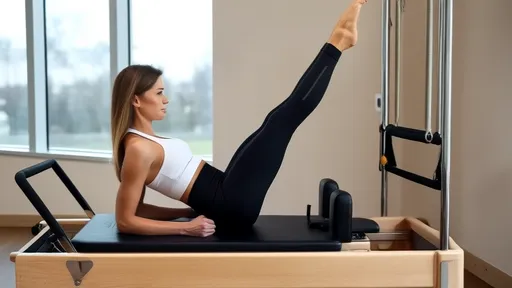
In recent years, Pilates has gained a reputation as a miracle solution for rehabilitation, particularly among individuals suffering from spinal conditions such as scoliosis. Touted for its ability to improve core strength, flexibility, and posture, Pilates has become a go-to recommendation for those seeking relief from chronic back pain or spinal misalignment. However, while the benefits of Pilates are widely celebrated, the potential risks for people with scoliosis are often overlooked. This article delves into the complexities of Pilates as a rehabilitation tool and examines the hidden dangers it may pose for those with spinal curvature.
Sports

Frequent 'Deadlift Sudden Death' Incidents in Gyms: Where is the Safety Limit for Heavy Weight Training?"

By /Jun 19, 2025

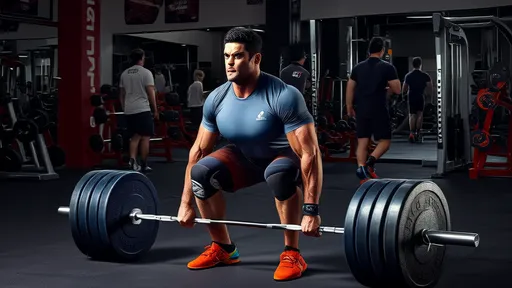
The recent surge in reported cases of sudden death during heavy deadlifts has sent shockwaves through the fitness community. What was once considered a hallmark of strength training has now become a subject of intense debate. Gym floors that used to echo with the clanging of weights now occasionally fall silent under the weight of tragedy. The question looms large: where exactly lies the safety boundary for heavy lifting?
Sports

Bench Pressing 100kg vs Push-Ups 100 Times: Which is More Likely to Cause Injury?"

By /Jun 19, 2025

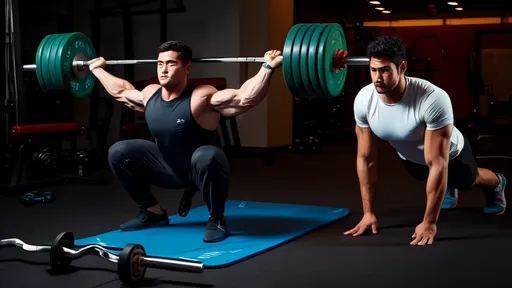
In the realm of strength training, few debates spark as much curiosity as the comparison between bench pressing 100kg and performing 100 push-ups. Both exercises target the chest, shoulders, and triceps, yet their mechanics and demands on the body differ significantly. The question of which activity carries a higher risk of injury is complex, influenced by factors like form, individual fitness levels, and even psychological preparedness. While some assume that lifting heavy weights automatically translates to greater danger, others argue that the repetitive nature of high-volume push-ups can be just as taxing—if not more so—on joints and muscles.
Sports

Do Squats Hurt the Knees? Scientific Analysis of the Truth Behind Proper Form" and "Joint Wear"

By /Jun 19, 2025

For years, squats have been both celebrated as a fundamental strength-building exercise and demonized as a potential knee destroyer. The debate often centers around one question: do squats inherently damage knees, or is proper form the ultimate protector? The answer lies somewhere between biomechanics, individual physiology, and movement quality.
Sports

Is Swimming Really Zero Damage"? The Hidden Battle with Chlorinated Water, Shoulder Joints, and Ear, Nose, and Throat Issues

By /Jun 19, 2025

The image of gliding effortlessly through crystal blue water has cemented swimming's reputation as the ultimate low-impact exercise. Gyms market aquatic workouts as "joint-friendly," rehabilitation specialists prescribe pool therapy for injured athletes, and retirees flock to morning lap sessions believing they've found the fountain of youth. But beneath the surface of this "zero-injury" myth lies a murkier reality—one where chlorine wars against our microbiome, repetitive strokes strain shoulders to their anatomical limits, and submerged ears become battlegrounds for opportunistic infections.
Sports

Jumping Rope 1000 Times = Running for 30 Minutes? Hidden Risks of High-Impact Exercises

By /Jun 19, 2025

In recent years, high-intensity workouts like jump rope have gained immense popularity as time-efficient alternatives to traditional cardio exercises. The claim that "jumping rope 1000 times equals 30 minutes of running" has circulated widely on fitness platforms, enticing busy individuals seeking maximum results with minimal time investment. While there's truth to the calorie-burning potential of rope jumping, this oversimplified equation glosses over critical differences between these activities and masks the hidden risks of high-impact movement.
Sports

Fasting Morning Runs vs. Night Runs: Which Burns More Fat? Scientific Data Challenges Perceptions"

By /Jun 19, 2025

The eternal debate between morning runners and evening runners has divided fitness enthusiasts for decades. Those who swear by sunrise jogs claim it supercharges fat burning, while night runners insist their workouts are more effective after a day of activity. But what does the science actually say about when you should lace up your running shoes for optimal fat loss?