Chocolate tempering is both an art and a science, requiring precision and patience. Even experienced chocolatiers occasionally encounter tempering failures, where the cocoa butter crystals fail to align properly, resulting in dull, streaky, or overly soft chocolate. When this happens, two practical solutions often come into play: controlled recrystallization through a water bath or the addition of vegetable oil as a rescue measure. Understanding these techniques can save time, ingredients, and frustration.
The Science Behind Tempering Failures
Tempering chocolate involves carefully melting and cooling it to stabilize the cocoa butter crystals into Form V, the most desirable structure for shiny, snap-able chocolate. When the process goes awry—due to overheating, rapid cooling, or contamination—the chocolate loses its temper. This manifests as a grainy texture, poor sheen, or an inability to set firmly. Rather than discarding the batch, chocolatiers can often salvage it through strategic reheating or blending.
Water Bath Recrystallization: A Gentle Approach
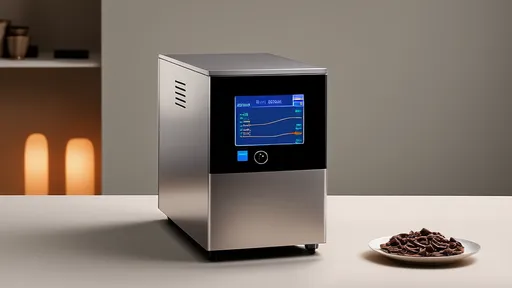
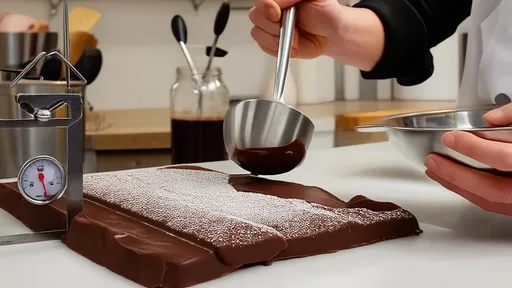
One effective method to rescue untempered chocolate is using a water bath to gently reheat and recrystallize the cocoa butter. The key lies in precise temperature control. Chop the failed chocolate into small pieces and place them in a dry bowl over a pot of simmering water, ensuring no steam contacts the chocolate. Heat gradually to between 40–45°C (104–113°F) for dark chocolate, slightly lower for milk or white varieties, until fully melted. Then, cool it down to 27–28°C (80–82°F) by adding finely chopped, well-tempered "seed" chocolate while stirring continuously. This encourages the formation of stable beta crystals. Finally, reheat gently to 31–32°C (88–90°F) for dark chocolate—adjusting for other types—before use.
The water bath method demands attention to detail. Overheating can burn the chocolate, while insufficient cooling may not fully reset the crystal structure. A digital thermometer is indispensable here. This technique is particularly useful for small batches or when working with high-quality couverture chocolate, where preserving flavor and texture is paramount.
Vegetable Oil: A Quick Fix with Compromises
For those seeking a faster, albeit less ideal solution, incorporating vegetable oil can salvage untempered chocolate. Neutral oils like sunflower, canola, or refined coconut oil (at a ratio of 1–2 teaspoons per 200g of chocolate) lower the viscosity and help the chocolate set more uniformly. While this won’t restore the original temper, it improves workability for coatings, drizzles, or molded confections where snap and sheen are secondary.
However, this approach has trade-offs. Added oil dilutes the chocolate’s intensity and alters its mouthfeel, making it softer and less crisp. It’s best reserved for recipes where the chocolate will be combined with other ingredients, such as bark or ganache, rather than used alone. Avoid oils with strong flavors (e.g., olive oil) unless they complement the intended flavor profile.
Choosing the Right Rescue Method
The decision between water bath recrystallization and vegetable oil depends on the intended use of the chocolate and the desired outcome. For showpiece chocolates or enrobing, where appearance and texture are critical, the water bath method is superior despite its labor-intensive nature. In contrast, vegetable oil offers a pragmatic shortcut for casual baking or when time constraints outweigh the need for perfection.
Both techniques underscore a fundamental truth in chocolate work: flexibility and adaptability are as vital as technical skill. Even failed tempering can yield delicious results with the right intervention, proving that mistakes in the kitchen are often opportunities in disguise.
By /Jun 18, 2025
By /Jun 18, 2025
By /Jun 18, 2025
By /Jun 18, 2025
By /Jun 18, 2025
By /Jun 18, 2025
By /Jun 18, 2025
By /Jun 18, 2025
By /Jun 18, 2025

By /Jun 18, 2025

By /Jun 18, 2025
By /Jun 18, 2025
By /Jun 18, 2025
By /Jun 18, 2025
By /Jun 18, 2025
By /Jun 18, 2025
By /Jun 18, 2025
