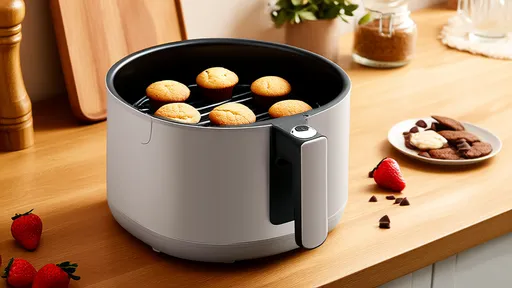
Air fryers have revolutionized home baking by offering a faster, more energy-efficient alternative to conventional ovens. Among their many capabilities, these versatile appliances excel at producing perfectly baked cakes and cookies with crisp edges and tender centers. However, converting traditional baking recipes to air fryer parameters requires understanding some fundamental temperature and timing adjustments.
The Science Behind Air Fryer Baking
Unlike traditional ovens that rely on radiant heat, air fryers use rapid air circulation to create a convection effect. This technology distributes heat more evenly while removing moisture from the food's surface, resulting in that characteristic crispy texture. When baking cakes and cookies, this circulating air can cause batters and doughs to set faster than in conventional ovens.
For cakes, the intense air circulation means you'll typically need to reduce both temperature and baking time. A good rule of thumb is to decrease the temperature by about 25°F (15°C) from the original recipe's recommendation. Baking times often shorten by 20-30%, though this varies depending on the cake's density and the air fryer's power.
Cookie Conversions for Perfect Results
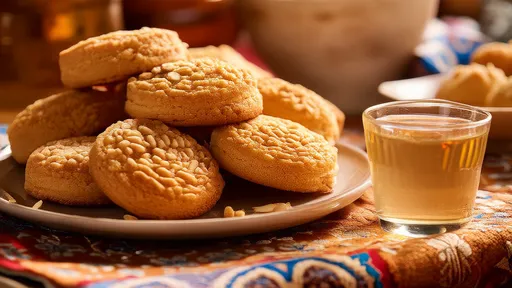
Cookies present unique challenges in air fryers due to their smaller size and higher sugar content. The circulating air can cause cookies to spread more than in conventional ovens, potentially leading to thinner results. To combat this, many bakers recommend chilling cookie dough for at least 30 minutes before baking in an air fryer.
Temperature adjustments for cookies follow similar principles to cakes, but timing requires more attention. Most drop cookies bake in just 5-8 minutes in an air fryer, compared to 10-15 minutes in a traditional oven. The high heat circulation means you should check cookies a minute or two before the minimum recommended time to prevent over-browning.
Essential Air Fryer Baking Techniques
Successful air fryer baking relies on more than just temperature and time adjustments. Proper preparation of baking pans makes a significant difference in results. For cakes, lining the pan with parchment paper helps ensure easy removal, while a light coating of oil prevents sticking for cookies baked directly on the air fryer basket.
Space management becomes crucial in the compact air fryer environment. Cakes typically require a smaller pan than used in conventional ovens, and cookies need adequate spacing to allow for proper air circulation. Overcrowding leads to uneven baking and can affect the texture of finished products.
Recipe Adaptation Strategies
When converting traditional recipes for air fryer use, consider the moisture content carefully. The air fryer's efficient dehydration effect means batters that would produce moist cakes in conventional ovens might turn out dry. Many bakers compensate by slightly increasing liquid ingredients or reducing baking time further.
For cookies, the type of fat used affects how dough spreads during baking. Butter-based recipes tend to spread more in air fryers, while those made with shortening or a butter-shortening blend hold their shape better. Some bakers recommend using slightly less butter or adding a tablespoon of extra flour to control spreading.
Troubleshooting Common Issues
Even with perfect temperature and time conversions, air fryer baking can present challenges. Uneven browning often occurs when baking multiple items at once. Rotating pans or baskets halfway through baking helps promote even coloring. For cakes that brown too quickly on top while remaining undercooked inside, tenting with aluminum foil prevents excessive browning while allowing the center to set.
Cookies that spread too thin might benefit from baking at a slightly lower temperature for a longer time. Conversely, cookies that don't spread enough may need a higher temperature or shorter baking duration. Keeping notes on adjustments helps refine the process for future batches.
Advanced Techniques for Perfect Bakes
Experienced air fryer bakers develop techniques to optimize their results. Preheating the air fryer ensures consistent baking from the start, though some models heat up so quickly that this step becomes optional. Using oven thermometers helps verify the actual temperature inside the cooking chamber, as some models run hotter or cooler than their settings indicate.
For delicate cakes, the water bath method can prevent drying. Place the cake pan in a slightly larger oven-safe dish with about half an inch of water. This creates steam that keeps the cake moist during baking. The technique works particularly well for cheesecakes and flourless chocolate cakes.
Mastering air fryer baking opens up possibilities beyond simple temperature and time conversions. With practice, bakers can achieve results that rival or even surpass conventional oven baking. The key lies in understanding how circulating hot air affects different types of batters and doughs, then making informed adjustments to create perfect cakes and cookies every time.
By /Jun 18, 2025
By /Jun 18, 2025
By /Jun 18, 2025
By /Jun 18, 2025
By /Jun 18, 2025
By /Jun 18, 2025
By /Jun 18, 2025
By /Jun 18, 2025
By /Jun 18, 2025
By /Jun 18, 2025
By /Jun 18, 2025
By /Jun 18, 2025
By /Jun 18, 2025
By /Jun 18, 2025
By /Jun 18, 2025
By /Jun 18, 2025
By /Jun 18, 2025
